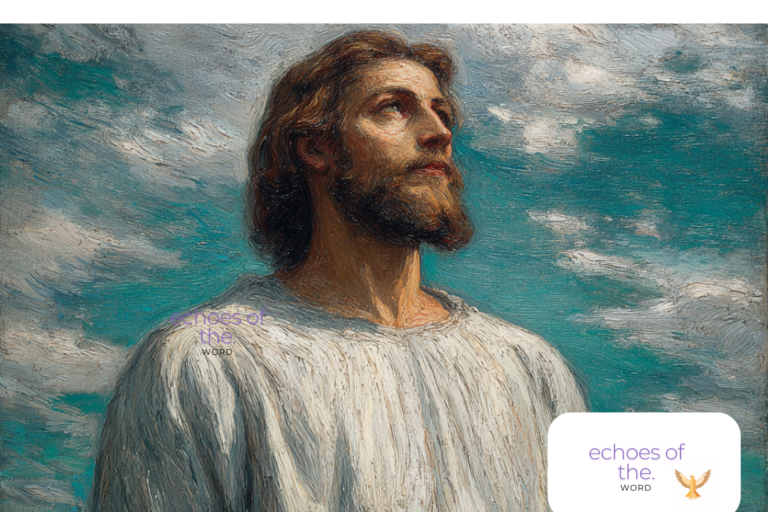
Walking with God: A Journey of Faith, Fellowship, and Fulfillment
The concept of “walking with God” is a cornerstone of many religious traditions, particularly within Christianity. It’s more than just believing in a higher power; it’s About cultivating a dynamic, ongoing relationship with the divine. This isn’t a passive observance but an active participation, a daily commitment to align one’s life with God’s will and presence. Imagine a close friendship, one where you share your innermost thoughts, seek guidance, and celebrate victories together. This is the essence of walking with God – a profound connection that shapes our character, influences our decisions, and ultimately, enriches our lives. The Bible is replete with passages that illuminate this sacred journey, offering timeless wisdom and practical encouragement for those who seek to draw near to the Creator.
This journey isn’t always a smooth, effortless stroll. There will be challenging terrains, moments of doubt, and times when the path ahead seems unclear. However, the promise is that we are never alone. The scriptures assure us of God’s unwavering presence and constant support. This article will delve into the multifaceted nature of walking with God, exploring its biblical foundations, its practical implications for our daily existence, and the profound blessings it bestows. We’ll uncover not just what it means to walk, but how to walk, drawing inspiration from the Word of God to foster a deeper, more intimate fellowship with Him.
The Foundation of Friendship: Understanding God’s Invitation
At its core, walking with God is an invitation to friendship. It’s God reaching out to humanity, desiring connection. The Genesis account, even in its depiction of humanity’s fall, hints at this inherent desire for communion. Later, in the Old Testament, we see figures like Enoch who “walked with God; and he was not, for God took him” (Genesis 5:24). This signifies a life so intimately aligned with God that it became indistinguishable from His presence. This wasn’t a reward for perfection, but a testament to a life lived in constant awareness and communion. It’s like a child who instinctively knows their parent’s presence, finding comfort and security in their closeness.
The New Testament further clarifies this invitation through Jesus Christ. He declared, “I am the way, the truth, and the life” (John 14:6), presenting Himself as the pathway to reconciliation and relationship with the Father. Through faith in Him, we are no longer strangers but are welcomed into God’s family. The Apostle Paul speaks of being “reconciled to God” (2 Corinthians 5:18), emphasizing that this walk is initiated by God’s grace. This is a transformative invitation, offering us a chance to move from isolation to intimate belonging, from darkness to radiant communion.
So, how does one translate this divine invitation into tangible, everyday practice? It begins with intentionality. Walking requires movement, and walking with God requires deliberate steps in His direction. This involves setting aside dedicated time for prayer. Prayer isn’t merely asking for things; it’s conversation, sharing your joys, your struggles, your fears, and your aspirations with God. It’s listening for His gentle whispers, His guiding wisdom. As the Psalmist prayed, “Teach me your paths, O Lord; make them known to me” (Psalm 25:4).
Another crucial element is meditating on God’s Word. The Bible is God’s love letter to us, filled with His promises, His commands, and His character. Regularly immersing ourselves in scripture is like walking alongside a wise mentor, absorbing their insights and learning from their experiences. “Your word is a lamp for my feet, a light on my path” (Psalm 119:105) is a powerful reminder of scripture’s illuminating power. This involves not just reading, but reflecting, understanding, and applying the truths we encounter, allowing them to shape our thoughts and actions.
The Fruits of Fellowship: Transformation and Purpose
When we actively choose to walk with God, the results are transformative. This journey cultivates a profound sense of inner peace that transcends circumstances. Even in the midst of life’s storms, knowing you have a divine companion brings a steadfast reassurance. The Apostle Paul, imprisoned and facing adversity, could still write, “I have learned the secret of being content in any and every circumstance” (Philippians 4:11-12), a testament to the sustaining power of a God-centered life. This peace isn’t the absence of problems, but the presence of God amidst them.
Furthermore, walking with God imbues our lives with purpose and meaning. When our steps are aligned with His divine plan, our actions take on a significance that extends beyond our immediate desires. We begin to see the world through His eyes, developing compassion, empathy, and a desire for justice. The prophet Micah succinctly captured this essence: “And what does the Lord require of you? To act justly and to love mercy and to walk humbly with your God” (Micah 6:8). This is a call to active engagement, where our faith translates into tangible expressions of love and service, reflecting God’s character to the world.
Navigating Challenges on the Path
The path of walking with God is not without its challenges. Doubt can creep in, especially when prayers seem unanswered or when faced with seemingly insurmountable obstacles. It’s important to remember that faith is not the absence of doubt, but the decision to trust God despite it. Many biblical figures wrestled with doubt, yet their persistence in seeking God ultimately strengthened their resolve. Think of Thomas, who needed to see Jesus’ wounds to believe; Jesus met him in his doubt (John 20:24-29). This demonstrates God’s patient and understanding nature towards our human frailties.
Another common hurdle is disobedience or straying from the path. We all stumble. The beauty of walking with God lies in His unfailing grace and forgiveness. When we confess our sins and turn back to Him, He is faithful to restore us. The parable of the Prodigal Son (Luke 15:11-32) beautifully illustrates God’s eager welcome for those who return. The key is to not let missteps deter us permanently, but to see them as opportunities to learn, repent, and recommit to our walk with Him. These experiences, while difficult, ultimately refine our character and deepen our reliance on His strength.
The Everlasting Journey: A Lifelong Pursuit
Walking with God is not a destination, but a lifelong pursuit. It’s a continuous process of growth, learning, and deepening intimacy. Each day presents new opportunities to engage with Him, to seek His wisdom, and to live in alignment with His purposes. The Apostle Paul encourages believers to “continue to live in Christ, rooted and built up in him, strengthening your faith as you have been taught” (Colossians 2:6-7). This highlights the ongoing nature of spiritual development, much like tending a garden that requires constant care and attention to flourish.
Ultimately, the promise of walking with God is eternal fellowship. The scriptures speak of a day when we will be fully in His presence, free from the struggles and imperfections of this life. Until then, we are called to live each day with the hope and assurance of His presence, seeking Him in all things. As we commit ourselves to this sacred journey, we discover a fulfillment and joy that no earthly pleasure can match, a life characterized by faith, purpose, and an unwavering connection to the divine. The journey itself becomes the reward, a testament to the transformative power of a life surrendered to God’s loving guidance.
Frequently Asked Questions: Walking with God and Religion
What does it mean to “walk with God”?
To “walk with God” means to live a life that is in close communion with Him, following His ways, and seeking His guidance in all aspects of your life. It implies a relationship characterized by obedience, trust, and intimacy.
Are there specific Bible verses that talk About walking with God?
Yes, the Bible is rich with verses About walking with God. Some key examples include:
Genesis 5:24: “Enoch walked with God; then he was no more, for God took him away.”
Micah 6:8: “He has shown you, O mortal, what is good. And what does the LORD require of you? To act justly and to love mercy and to walk humbly with your God.”
1 John 1:7: “But if we walk in the light, as he is in the light, we have fellowship with one another, and the blood of Jesus, his Son, purifies us from all sin.”
Galatians 5:16: “So I say, walk by the Spirit, and you will not gratify the desires of the flesh.”
Colossians 2:6: “So then, just as you received Christ Jesus as Lord, continue to live your lives in him,”
How does walking with God relate to practicing a religion?
Walking with God is the core of many religious practices, particularly within Christianity. Religion can provide a framework, community, teachings, and rituals that help individuals to deepen their relationship with God and live out their faith. However, the essence of walking with God goes beyond mere religious observance and involves a personal, active relationship.
Can someone walk with God without belonging to a specific religion?
The concept of walking with God, as understood in scripture, emphasizes a personal relationship and obedience to divine will. While many religions offer structured paths to this, the Bible suggests that a genuine connection with God can be found through sincere faith, repentance, and following His commandments, regardless of formal religious affiliation.
What are the benefits of walking with God?
Walking with God offers numerous benefits, including peace, wisdom, strength, guidance, forgiveness, and a sense of purpose. It leads to spiritual growth, a deeper understanding of life’s challenges, and the assurance of eternal life.
How can I start walking with God?
You can begin walking with God through prayer, reading and meditating on God’s Word (the Bible), seeking to obey His commands with the help of the Holy Spirit, and connecting with other believers who can encourage and support you on your journey.