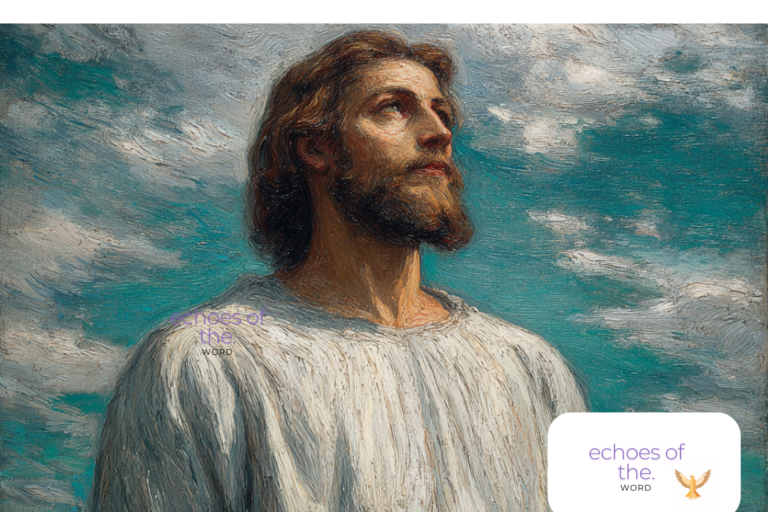
A Proverb a Day: Unearthing Wisdom from Religious Traditions
In the quiet moments of our lives, amidst the clamor of the everyday, a single, potent proverb can act as a guiding star. The practice of embracing a “proverb a day” isn’t merely a quaint habit; it’s an invitation to tap into the collective wisdom of humanity, particularly the profound insights embedded within religious traditions. These short, memorable sayings, passed down through generations, offer a distillation of human experience, ethical guidance, and spiritual understanding. They are the pocket-sized philosophies that can illuminate our path, offering solace, direction, and a deeper connection to our inner selves and the divine.
Imagine the cumulative effect of consciously engaging with a new piece of wisdom each day. It’s like tending a garden of the mind, planting seeds of understanding that can blossom into greater empathy, resilience, and a more meaningful existence. The beauty of a “proverb a day” approach, especially when drawing from religious texts, lies in its accessibility. You don’t need to be a theologian to grasp the essence of these pronouncements; they speak to the universal human condition, resonating with our deepest hopes and fears. This article will explore how incorporating a “proverb a day” from various religious traditions can enrich your life, offering practical applications and fostering a deeper spiritual connection.
Religious texts are veritable treasure troves of proverbs, each offering a unique lens through which to view the world and our place within it. These pithy statements aren’t just words; they are condensed narratives of lived experience and divine inspiration. They serve as navigational tools, helping us steer through the complexities of life with clarity and purpose. For instance, the Christian tradition offers the guiding principle: “Do unto others as you would have them do unto you,” a simple yet profound ethical compass that fosters compassion and mutual respect. This golden rule, found in various forms across many faiths, is a testament to the universality of fundamental moral truths that proverbs so effectively encapsulate.
Consider the impact of consistently reflecting on such wisdom. A “proverb a day” can shift our perspective, encouraging us to pause before acting, to consider the consequences of our choices, and to cultivate virtues like patience, forgiveness, and gratitude. The Buddhist tradition, for example, often emphasizes mindfulness and inner peace. A proverb like, “Your mind is everything. What you think you become,” serves as a powerful reminder of the transformative power of our thoughts. By consciously choosing to focus on positive and constructive thinking, we can actively shape our reality and cultivate a more serene inner landscape. This is not just abstract philosophy; it’s a practical guide for mental and spiritual well-being.
At their core, many religious proverbs function as moral compasses, pointing us towards righteous action and away from harmful paths. They distill complex ethical dilemmas into easily digestible truths, making them accessible for everyday guidance. The Islamic faith, for instance, is rich with proverbs that emphasize justice, compassion, and accountability. A well-known saying, “None of you truly believes until he loves for his brother what he loves for himself,” underscores the importance of empathy and altruism, urging believers to extend the same care and consideration to others as they do to themselves. This sentiment resonates deeply, promoting a sense of community and shared responsibility.
Engaging with a “proverb a day” from this perspective can actively shape our character. When faced with a difficult decision, recalling a relevant proverb can provide immediate clarity and reinforce the desired ethical framework. For a Christian, the proverb “The fear of the Lord is the beginning of wisdom” might encourage humility and a recognition of a higher moral standard. For a Jew, the concept of “Tikkun Olam” (repairing the world), often implicitly conveyed through proverbs About justice and righteousness, can inspire acts of service and social responsibility. The beauty lies in the practical application of faith, where ancient wisdom directly informs our present actions and interactions, fostering a more virtuous and conscientious life.
Cultivating Inner Peace and Resilience Through Daily Proverbs
Beyond ethical guidance, religious proverbs offer profound insights into cultivating inner peace and resilience. Life, as we all know, is replete with challenges, uncertainties, and moments of profound sorrow. Proverbs provide anchors of hope and strength during these turbulent times. The Stoic philosophy, though not strictly religious, shares this wisdom, and its influence can be seen in many spiritual traditions. A proverb often attributed to various spiritual teachings is, “This too shall pass.” This simple statement, when truly internalized, can be a powerful antidote to despair. It reminds us that difficulties are temporary, and that even in the darkest hours, there is the promise of dawn.
The practice of a “proverb a day” can actively build our mental fortitude. By consciously reflecting on proverbs that speak to patience, perseverance, and acceptance, we train our minds to navigate adversity with greater equanimity. For example, a Buddhist proverb might state, “Peace comes from within. Do not seek it without.” This encourages us to look inward for solace and contentment, rather than relying on external circumstances, which are often beyond our control. Similarly, a Hindu proverb might offer, “You have the right to work, but never to the fruits of your work.” This encourages dedication to the process and detachment from outcomes, a powerful strategy for reducing anxiety and fostering a sense of inner calm amidst life’s unpredictable nature.
Ultimately, religious proverbs serve as bridges, connecting us to something larger than ourselves – the divine, the transcendent, the spiritual essence of existence. They are whispers from the eternal, offering glimpses into the nature of reality and our relationship with the Creator. The Sufi tradition, a mystical branch of Islam, is renowned for its poetic and profound proverbs that speak of divine love and unity. A common theme is the idea of seeking God within, often expressed as: “I searched for God, and found myself.” This highlights the intimate connection between the seeker and the sought, suggesting that spiritual realization is often an inward journey.
Incorporating a “proverb a day” from these traditions can deepen our sense of spiritual connection. It’s not About memorization, but About contemplation. Taking a moment each day to ponder a proverb like, “The Lord is my shepherd; I shall not want” (Christianity) can evoke feelings of trust, security, and divine provision. Or, reflecting on a Jewish proverb such as, “Where there is no vision, the people perish,” might inspire a deeper understanding of the importance of faith and purpose in guiding our lives. These proverbs are not just moral lessons; they are invitations to encounter the sacred, fostering a sense of awe, wonder, and profound belonging in the grand tapestry of existence. They remind us that we are part of a divine plan, and that wisdom is always available to those who seek it with an open heart and mind.
Frequently Asked Questions About Proverbs for a Religious Life
What is a “Proverb a Day” in a religious context?
A “Proverb a Day” is a practice where individuals or groups focus on one proverb from religious scripture or tradition each day to meditate on its meaning and apply its wisdom to their lives. This can be a way to deepen spiritual understanding and encourage daily reflection.
Many religions have rich collections of proverbs and wisdom literature that offer guidance on morality, ethics, spiritual growth, and understanding the divine. These proverbs often encapsulate core tenets of faith and provide practical advice for living a virtuous and meaningful life according to religious principles.
Where can I find religious proverbs to use for a “Proverb a Day” practice?
You can find religious proverbs in various sacred texts, such as:
* The Bible: Particularly in the Book of Proverbs, Ecclesiastes, and Psalms.
* The Quran: Contains verses that can be interpreted as proverbs or wisdom sayings.
* Buddhist scriptures: Such as the Dhammapada.
* Hindu scriptures: Including the Bhagavad Gita and Upanishads.
* The teachings of prophets and spiritual leaders: Many traditions preserve the wise sayings of their founders and revered figures.
How can I incorporate a “Proverb a Day” into my daily religious practice?
You can integrate this practice by:
1. Selecting a proverb: Choose one proverb daily from your chosen religious text or tradition.
2. Reading and reflecting: Read the proverb carefully, thinking About its literal meaning and its deeper spiritual implications.
3. Meditating: Spend a few minutes contemplating how the proverb applies to your current circumstances, challenges, and aspirations.
4. Journaling: Write down your thoughts, insights, and how you plan to apply the proverb’s lesson throughout the day.
5. Discussing: If part of a religious community, share the proverb and its meaning with others to foster collective learning and encouragement.
What are the benefits of a “Proverb a Day” for my religious journey?
Regular engagement with religious proverbs can lead to:
* Increased spiritual wisdom: Deeper understanding of religious teachings and divine principles.
* Moral and ethical guidance: Clearer direction on how to live a righteous life.
* Personal growth: Cultivating virtues like patience, humility, compassion, and wisdom.
* Daily inspiration and encouragement: Providing spiritual sustenance and motivation for daily living.
* Strengthened faith: A closer connection to your religious tradition and its timeless wisdom.