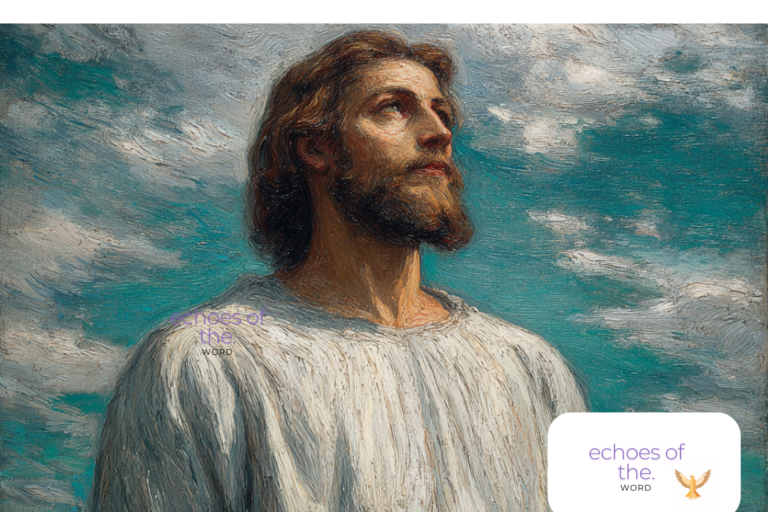
Declarations of Faith: Navigating the Sacred Landscape of Belief
In the tapestry of human experience, declarations of faith stand as vibrant threads, weaving together individuals, communities, and entire civilizations. These are not merely pronouncements; they are profound affirmations of what we hold to be true, the bedrock upon which we build our understanding of ourselves, our purpose, and the vast universe we inhabit. Whether born from ancient traditions or personal epiphanies, these declarations shape our very identities, guiding our actions, our ethics, and our aspirations. This exploration delves into the heart of religious belief, examining the nature of these solemn vows and their enduring impact on our lives.
At its core, a declaration of faith is an act of profound trust and commitment. It’s the moment we articulate, to ourselves and often to others, the core tenets of our religious worldview. This can range from a simple, heartfelt affirmation of love for a divine being to a complex theological statement encompassing creation, salvation, and the afterlife. These declarations are rarely static; they evolve, deepen, and are reinterpreted throughout a believer’s life, often in response to personal experiences, societal shifts, and the wisdom gleaned from sacred texts and community dialogue.
The Essence of Religious Belief: More Than Just Words
Religion, in its myriad forms, offers a framework for understanding the unanswerable questions that plague the human condition. It provides comfort in times of sorrow, direction in times of confusion, and a sense of belonging in a world that can often feel isolating. The declarations of faith that emerge from these religious traditions act as anchors, grounding us in a shared narrative and a common set of values. They are the whispered prayers of a devout individual, the public pronouncements of a congregational meeting, and the written creeds that have been passed down through generations. These words carry immense weight, shaping not only individual lives but also the collective consciousness of societies.
Consider the simple yet profound declaration of faith found in many Abrahamic religions: “There is no god but God.” This statement, repeated daily by millions, is more than just a verbalization; it signifies a complete surrender of the self to a singular, supreme power. It encompasses a worldview where all existence is attributed to this divine entity, influencing everything from daily prayer and ethical conduct to societal laws and cultural norms. This isn’t just About belief in a concept; it’s About a lived reality, a constant awareness of a higher presence that informs every decision and aspiration. This single declaration acts as a compass, guiding adherents through the complexities of life.
Personal Declarations: The Inner Resonance of Belief
Beyond the communal and scriptural, declarations of faith also blossom within the private chambers of the human heart. These are the moments of deep, personal conviction that arise from introspection, spiritual encounters, or a profound sense of awe. These personal affirmations may not be articulated in grand pronouncements, but their power is no less significant. They are the quiet, unwavering belief in the inherent goodness of creation, the certainty of an afterlife, or the guiding hand of a benevolent force in one’s personal journey. These internal declarations often manifest in acts of kindness, compassion, and a commitment to living a life aligned with one’s deepest values.
For example, someone grappling with a devastating loss might find solace and strength in a declaration of faith that affirms the existence of an eternal reunion with loved ones. This internal conviction, though perhaps never spoken aloud to another soul, can provide the resilience needed to navigate grief. It’s a private testament to a hope that transcends earthly suffering. Similarly, a scientist who marvels at the intricate laws of the universe may experience a profound sense of wonder that translates into a personal declaration of faith in a divine intelligence behind it all, even if they don’t adhere to a specific organized religion. These personal declarations are the quiet hum of the soul, a constant, internal affirmation of what gives life meaning.
The Power of Collective Declarations: Building Communities of Faith
When declarations of faith are shared and embraced by a group, they forge powerful bonds and create vibrant communities. These collective affirmations become the cornerstones of religious institutions, providing a common language, shared rituals, and a unified purpose. The creeds of Christianity, the declarations of unity in Islam, the vows of non-violence in Buddhism – these are all examples of collective declarations that define and sustain religious traditions. They are the glue that holds congregations together, fostering a sense of belonging and mutual support.
These shared beliefs are not just About abstract theology; they translate into tangible actions. A community that declares faith in the importance of charity will establish soup kitchens and aid organizations. A group that affirms the sacredness of life will work towards peace and justice. The very act of reciting these declarations together, whether in a temple, a mosque, or a church, reinforces these shared values and strengthens the collective resolve to live them out. This is particularly evident in the shared rituals and prayers that punctuate the lives of devout individuals within these communities, creating a palpable sense of shared purpose and divine connection.
Declarations and the Search for Meaning: Navigating Life’s Big Questions
Ultimately, declarations of faith are intimately tied to humanity’s enduring quest for meaning. In a world often characterized by uncertainty and impermanence, these declarations offer a sense of order, purpose, and hope. They provide answers, or at least frameworks for seeking answers, to questions such as: Where do we come from? Why are we here? What happens after we die? The diversity of these declarations across different religions reflects the vast spectrum of human inquiry and the myriad ways we attempt to grapple with these fundamental existential concerns.
For instance, the Buddhist declaration of faith in the Four Noble Truths provides a profound pathway to understanding suffering and achieving liberation. This isn’t just a passive acceptance of a doctrine; it’s an active engagement with the nature of reality, offering a practical guide to navigating life’s inherent challenges. Similarly, the Hindu concept of Dharma, the righteous path or duty, serves as a guiding principle for living a meaningful life, a declaration of faith in ethical conduct and spiritual growth. These declarations offer not just comfort, but also a blueprint for living a life that is both personally fulfilling and spiritually significant.
It is crucial to recognize that declarations of faith are not monolithic or static. Over centuries, and even within the lifespan of an individual, these declarations can be reinterpreted, debated, and evolve. This dynamic nature is a testament to the living, breathing quality of religious belief. Sacred texts are not always interpreted literally; they are often understood through the lens of cultural context, personal experience, and scholarly exegesis. This ongoing dialogue ensures that faith remains relevant and responsive to the changing world.
Consider the various interpretations of the concept of “divine judgment” across different Christian denominations. While the core declaration of faith in a final reckoning might be shared, the specifics of what that entails, the role of grace, and the nature of punishment are subject to diverse theological understandings. This ongoing process of interpretation allows for a richer and more nuanced engagement with fundamental beliefs, fostering intellectual and spiritual growth within faith communities. The ability to adapt and reinterpret these core declarations is a sign of a healthy and dynamic faith tradition.
Living Out Our Declarations: Faith in Action
Perhaps the most compelling aspect of declarations of faith is their capacity to inspire action. True faith is not merely a matter of intellectual assent; it demands a response, a commitment to living in accordance with one’s deepest convictions. This is where the abstract becomes concrete, where beliefs translate into tangible acts of love, service, justice, and compassion. The world is often shaped by individuals and communities who have lived out their declarations of faith with unwavering dedication.
From the brave activists who fought for civil rights, inspired by their faith in the inherent dignity of all people, to the countless individuals who dedicate their lives to humanitarian aid, driven by a declaration of faith in the imperative to care for the less fortunate, these acts demonstrate the profound power of belief to drive positive change. These are the practical outworkings of sacred vows, the living embodiment of what it means to truly believe. When we declare faith, we are not just speaking About the divine; we are committing ourselves to embodying its principles in the world around us.
The Enduring Significance of Declarations of Faith
In conclusion, declarations of faith are an integral part of the human spiritual journey. They are the expressions of our deepest convictions, the guiding lights that illuminate our paths, and the foundations upon which we build our lives and communities. Whether personal or collective, ancient or contemporary, these declarations offer solace, meaning, and a framework for navigating the complexities of existence. They are the sacred threads that bind us together, reminding us of our shared humanity and our unwavering search for truth, purpose, and connection.
The act of declaring faith, in its many forms, is a powerful affirmation of hope and resilience. It speaks to our innate desire to understand our place in the cosmos and to connect with something larger than ourselves. As we continue to explore the diverse landscape of religious belief, we recognize the profound and enduring significance of these sacred pronouncements, which continue to shape our world and inspire us to live lives of purpose, compassion, and unwavering devotion. The very act of making these declarations, whether whispered in prayer or proclaimed with conviction, is a testament to the enduring human spirit’s quest for the sacred.
Frequently Asked Questions About Declarations of Faith
What is a declaration of faith?
A declaration of faith is a formal statement or affirmation of the core beliefs and tenets of a particular religion or spiritual path. It outlines what adherents believe to be true About the divine, the universe, and humanity’s place within it. These declarations often serve as foundational texts or summaries that guide understanding and practice.
Why are declarations of faith important?
Declarations of faith are important for several reasons. They provide a clear and concise articulation of a religion’s central doctrines, helping to unify believers around common understandings. They serve as a guide for theological study, personal reflection, and communal worship. Furthermore, they can offer a point of reference for distinguishing one religious tradition from another and for understanding the shared values and practices within a faith community.
Are all religions’ declarations of faith the same?
No, declarations of faith are not the same across all religions. Each religion has its own unique set of beliefs, theological frameworks, and historical development, which are reflected in its specific declarations of faith. These declarations will differ in their emphasis on God, the nature of the afterlife, the role of prophets or central figures, ethical guidelines, and the understanding of salvation or enlightenment.
Can declarations of faith change over time?
While the core tenets of a declaration of faith are generally considered timeless, their interpretation and emphasis can evolve over time within a religious tradition. This evolution can be influenced by new scholarship, changing societal contexts, or the need to address contemporary issues. However, significant changes to the fundamental doctrines are often a matter of deep theological debate and may not be universally accepted.
Is it necessary to formally recite a declaration of faith to be a member of a religion?
In many religions, formally reciting or affirming a declaration of faith is a significant step in joining the community or a rite of passage. It signifies a personal commitment to the beliefs and principles of that faith. However, the specific requirements can vary widely. Some traditions may place more emphasis on actions, community participation, or personal conviction over a formal verbal declaration. Others might have different pathways to membership.
What is the relationship between a declaration of faith and personal belief?
A declaration of faith provides a framework and a communal statement of belief. Personal belief, on the other hand, is an individual’s internal acceptance and conviction of those tenets. While a declaration of faith outlines what is believed by the group, an individual’s journey involves internalizing, understanding, and living out those beliefs in their own way. One may agree with the declaration of faith while also having personal nuances or deeper understandings of its meaning.