The Sacred Journey: Embracing the Profound Significance of Holy First Communion
The day of a child’s Holy First Communion is a milestone etched in the hearts of families and communities, a luminous event that transcends the ordinary. It signifies a pivotal moment in their spiritual development, a deeply personal encounter with the divine that will resonate throughout their lives. This ancient rite, practiced with reverence and joy, symbolizes a child’s conscious and willing participation in the central sacrament of Christian faith – the reception of the Body and Blood of Christ. It’s not merely a ceremony; it’s an invitation to a profound and lasting relationship with God, a sacred embrace that nourishes the soul and strengthens the spirit.
For many, the journey towards Holy First Communion is a period of intense preparation, a time of learning, prayer, and reflection. This preparation is not just About memorizing prayers or understanding theological concepts; it’s About cultivating an inner disposition of faith, love, and gratitude. It’s About understanding, in a way that a child can grasp, the immense gift they are About to receive. This anticipation builds a sense of sacredness and importance around the event, making it a truly transformative experience.
Understanding the Sacrament: More Than Just a Ritual
At its core, Holy First Communion is the reception of the Eucharist, a sacrament believed by Christians to be the real presence of Jesus Christ. This means that, through faith, believers partake in the very essence of Christ, receiving spiritual nourishment and grace. It’s a practice rooted in the Last Supper, where Jesus shared bread and wine with his disciples, instructing them to “do this in remembrance of me.” This command has been faithfully observed for centuries, making the Eucharist a cornerstone of Christian worship and identity.
The meaning of Holy First Communion can be understood through a simple analogy. Imagine a child receiving a special, life-giving seed from a loving parent. This seed, when planted and nurtured, will grow into something beautiful and sustaining. Similarly, the Eucharist is a spiritual seed, a divine gift that, when received with an open heart and mind, begins to cultivate a deeper spiritual life within the child. It’s a tangible, yet profoundly spiritual, connection that strengthens their bond with God and the broader Christian community.
The Preparation Journey: Nurturing Faith and Understanding
The preparation for Holy First Communion is a multi-faceted process, typically involving dedicated classes, family discussions, and personal prayer. Children learn About the significance of the Mass, the different parts of the liturgy, and the meaning of the sacraments. They are guided to understand the teachings of Jesus Christ and encouraged to develop a personal relationship with Him. This period is crucial for fostering a genuine understanding and appreciation of what they are About to undertake.
This preparation often includes activities like:
Learning key prayers such as the Our Father and the Hail Mary.
Understanding the concept of sin and forgiveness.
Discussing the importance of love and charity towards others.
Participating in family prayer sessions and attending Mass regularly.
The goal is not rote memorization, but a heartfelt embrace of faith, ensuring that when a child receives their Holy First Communion, it is done with joy, understanding, and a sincere desire to draw closer to God.
The Significance of the Day: A Sacred Celebration
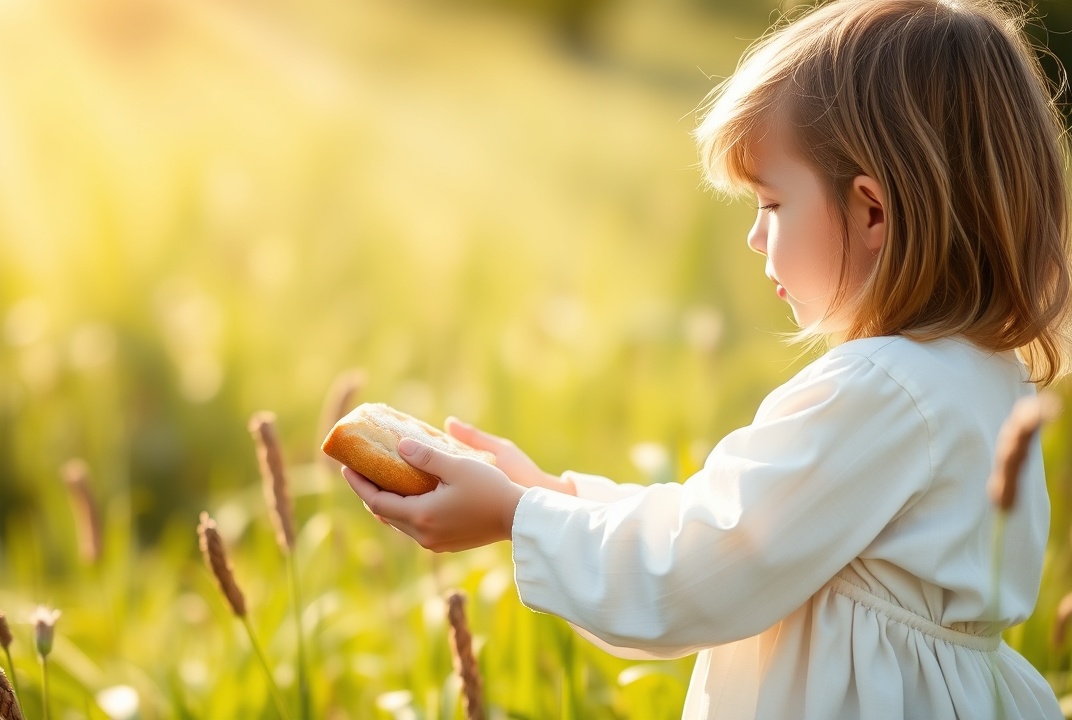
The day of Holy First Communion itself is a deeply sacred and joyful occasion. Churches are often adorned with flowers, and the atmosphere is filled with a sense of reverence and celebration. The child, often dressed in special attire, approaches the altar to receive the consecrated bread and wine, a moment of profound spiritual intimacy. This act marks their entry into a more active and conscious participation in the life of the Church, a spiritual awakening that is cherished by all involved.
Beyond the religious ceremony, the day is also a significant family event. It’s a time for gathering loved ones, sharing blessings, and acknowledging the spiritual growth of the child. Often, there are family meals and celebrations, imbuing the day with a dual significance – the sacred and the familial. This communal joy underscores the importance of the sacrament not just for the individual, but for the entire community, reinforcing the bonds of faith and family.
Receiving Holy First Communion is not the end of a journey, but rather a powerful beginning. It’s the foundation upon which a lifelong relationship with Christ is built. By regularly receiving the Eucharist throughout their lives, individuals continue to draw strength, guidance, and grace from Christ. This ongoing participation in the sacrament helps them navigate life’s challenges, celebrate its joys, and deepen their understanding of God’s love and presence.
The early experience of Holy First Communion instills a sense of spiritual discipline and devotion that can shape a person’s character and choices. It encourages them to lead a life guided by faith, to seek spiritual nourishment, and to contribute positively to the world around them. This initial step into the heart of Christian life is a testament to the enduring power of faith and the profound impact of receiving the Body and Blood of Christ.
Frequently Asked Questions About Holy First Communion
What is Holy First Communion?
Holy First Communion is a sacrament in the Catholic Church where a child, typically around the age of seven or older, receives the Body and Blood of Jesus Christ for the first time in the form of consecrated bread and wine. It is a significant milestone in a Catholic child’s spiritual life, marking their full participation in the Eucharist.
Why is it called “First” Communion?
It is called “First” Communion because it is the initial time a person receives the Eucharist. After this first reception, Catholics are encouraged to receive Communion regularly throughout their lives.
What is required for a child to receive First Communion?
To receive First Communion, a child generally needs to have:
Been baptized in the Catholic Church.
Received catechetical instruction, typically through a parish’s religious education program or Catholic school, to understand the meaning of the Eucharist.
Reached the age of reason, which is typically around seven years old.
Been reconciled with God through the Sacrament of Penance (Confession) before making their First Communion.
Receiving Communion is seen as a way to unite oneself with Jesus Christ. It nourishes the soul, strengthens faith, and helps believers to live a life in accordance with God’s will. It is a central act of worship in the Catholic Church.
What happens during a First Communion Mass?
During the Mass, after the Liturgy of the Word and the Liturgy of the Eucharist, children who are making their First Communion will approach the altar with their families and receive the consecrated host (representing the Body of Christ). They will then typically receive a blessing or the chalice (representing the Blood of Christ), depending on the parish’s practice.
What are the parents’ roles in First Communion preparation?
Parents play a crucial role in their child’s preparation for First Communion. This includes:
Ensuring their child attends religious education classes.
Praying with their child and discussing the meaning of the Eucharist.
Modeling a life of faith and regular participation in Mass.
Accompanying their child to confession and Communion.
Can adults receive First Communion?
Yes, adults who have not yet received their First Communion can prepare for and receive it. This usually happens as part of the Rite of Christian Initiation of Adults (RCIA) process, where they also typically receive Confirmation and Baptism (if not already baptized).
What is the difference between First Communion and Confirmation?
First Communion is the reception of the Eucharist for the first time. Confirmation is another sacrament that strengthens the graces received in Baptism and empowers the recipient with the gifts of the Holy Spirit to be a witness to Christ. In the Latin Rite of the Catholic Church, Confirmation is typically received after First Communion, though the order can vary.